
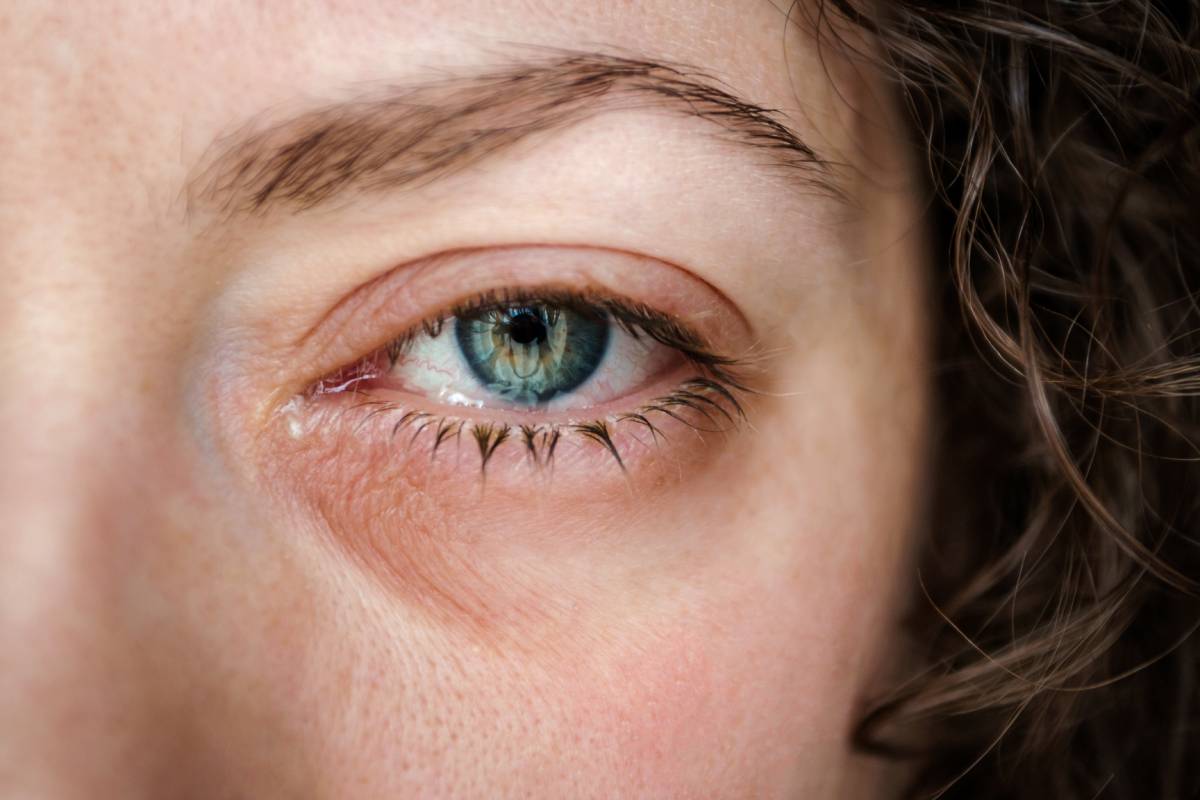
Everyone knows the occasional watery eye is normal, but could excessive tearing be a sign of an eye condition lurking below the surface? While watery eyes can be normal, excessive tearing can indicate a more serious problem. When patients become concerned, they turn to an eye specialist at an eyelid surgery center to gain clarity about their problem.
Your doctor or eye specialist regularly diagnoses and treats patients whose excessive tearing is due to underlying conditions such as blocked tear ducts, eyelid problems, and others. Before you can develop a solution, you need to determine the cause so you can get the appropriate treatment. Your physician is going to be your greatest resource in determining the etiology of your excessive tearing.
What is Considered Excessive?
Excessive tearing refers to the production of more tears than usual or to inadequate tear drainage, causing you to have almost constant watery eyes. Regular events like wind, yawning, or elevated emotions can cause excessive tearing, but it can also occur without a trigger throughout your day. Normal tear production is simply to keep your eyes moist and comfortable. Tears flow across the surface of your eye and drain through the tiny openings found at the inner corner of both eyes. When these openings become blocked, there is nowhere for your tears to drain, which creates additional moisture. But clogged tear ducts aren’t the only condition that can cause excessive tearing.
Common Conditions That Cause Excessive Tearing
Several conditions can cause excessive tearing; this extra moisture is only a symptom, not the problem itself. While blocked tear ducts are the most common cause of excessive tearing, other conditions that can cause excessive tearing include:
- Dry eye syndrome: This may seem backwards, but this condition prompts the overproduction of tears to protect your eye and ease irritation.
- Eyelid position problems: Some abnormalities in eyelid position can disrupt normal drainage.
- Blepharitis: A type of swelling that occurs in your eyelids, which can lead to excessive tearing.
Other conditions:
- Infections
- Allergies
- Ingrown eyelashes
- Corneal scratches
When To Visit Your Doctor
If excessive tearing is interfering with your daily activities or persists for more than a few days, it may be time to visit your doctor. If you experience any severe discomfort, sudden changes in vision, discoloration in your tears, yellow or green discharge, or have suffered an eye injury, seek medical attention immediately. Suppose you notice swelling around your eyes, persistent redness, sensitivity to light, or have a feeling of something being stuck in your eye. In that case, you should schedule a thorough consultation with an eye specialist. Some common increases in tear production can be solved with over-the-counter medications, but if problems persist, play it safe and talk to an eye specialist.
Treatment
Treating excessive tearing means treating the underlying condition that causes the excess moisture. In mild cases, treatment may be as simple as warm compresses, gentle eye massage, or artificial tears to improve drainage and reduce irritation. Antibiotic eye drops can be used to treat infections, and antihistamines help ease allergies.
If a blocked tear duct causes your excessive tearing, a simple in-office procedure to open the drainage pathway may be an option. For excessive tearing caused by eyelid position, surgical correction is often the answer. Your eye doctor will assess your case and help you develop the least invasive treatment plan to address your excessive tearing.
Finding Relief From Excessive Tearing
A treatable eye condition causes excessive tearing, and the first step is recognizing that there may be a more serious problem. You should not dismiss constant tearing as your new normal. Leaving underlying conditions untreated could worsen your symptoms over time and affect your quality of life and the health of your eyes. Most cases of excessive tearing are treatable, so consulting with an experienced eye specialist is the best way to find relief.
If you are suffering from chronic tearing, consult with an experienced eye specialist today!
Reference:
Cleveland Clinic. (2024). Epiphora (Watery Eyes).