
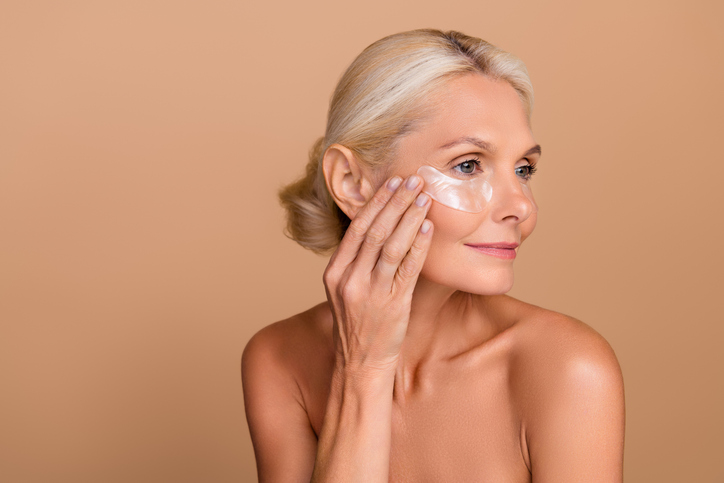
The thin skin around your eyes is often the first area to show visible signs of aging, including fine lines, wrinkles, and loss of firmness. Many seek non-surgical treatments before considering options at an eyelid surgery center. However, there seems to be considerable confusion about whether retinol or peptides work best around your eyes. Both are staple ingredients in cosmetic eye care, but they work through different mechanisms and address visible signs of aging in your eye area. An eyelid surgery center can deliver substantial results for advanced signs of aging, but many prefer the topical route before seeking more aggressive interventions.
Retinol: The Gold Standard
Retinol, a derivative of vitamin A, has long been considered the gold standard in anti-aging skincare. This popular ingredient increases cellular turnover and stimulates collagen production. Retinol reduces the appearance of fine lines and wrinkles. Research on the effectiveness of retinol has been conducted for decades. Evidence shows that this powerful ingredient can improve the appearance of fine lines, reduce hyperpigmentation, and enhance overall skin texture around your eyes.
Once retinol has been absorbed into your skin, it converts to retinoic acid that binds to receptors in skin cells to accelerate renewal and boost collagen production. This process addresses multiple signs of aging simultaneously, making it a comprehensive solution for aging eyes.
The Rise of Peptides
Peptides haven’t been on the scene nearly as long as retinol, but have gained substantial traction for improving the appearance of the eye area. Peptides act as communication beacons beneath your skin’s surface. Peptides are short chains of amino acids and are building blocks for proteins like collagen, elastin, and keratin. Topically applied, peptides can signal your skin to increase the production of these proteins and communicate with cells to support repair and regeneration.
Peptides have gained popularity thanks to their gentleness. This is especially important in the eye area since the skin is so thin and often sensitive. This ingredient rarely irritates, unlike harsher ingredients that can trigger unwanted reactions. Peptides serve various functions; signal peptides stimulate collagen and elastin production. Carrier peptides help deliver trace elements that support wound healing. Neurotransmitter-inhibiting peptides can temporarily reduce the appearance of expression lines by influencing muscle contraction.
Effectiveness and Results
Evaluating which ingredient works best around your eyes is largely an individualized decision. It really comes down to your skin and tolerance levels. Retinal has been shown to demonstrate superior efficacy in addressing moderate to severe signs of aging. Studies show that you can gain visible results with retinol when used consistently over time.
Peptides work well for preventative care and maintenance of your skin’s health. If you are seeing early signs of aging or want to maintain your current skin quality, this ingredient is an effective option that is gentle enough for even the most sensitive skin. Peptides may also improve hydration and firmness.
How Long to See Results?
The time frame for visible results varies between the two ingredients. It is typical for retinol to require 12 weeks or more of consistent use before you see any substantial improvements. Peptides work a little faster for hydrating and improving skin texture, but visible improvements regarding aging develop over several months of regular use.
Finding the Solution for Signs of Aging
Retinol and peptides both offer valuable benefits for the sensitive skin around your eyes. However, retinal remains more effective for addressing established signs of aging. Peptides, on the other hand, provide gentle yet effective maintenance and prevention with minimal risk of irritation. It is difficult to determine which topical treatment is superior, as the most effective approach depends on your skin, tolerance, and goals. The best ingredient is the one you can use consistently without irritation, and that works well with your needs and expectations.